













Self Defense Classes in NYC
NEW YORK CITY · EST. 2010
55+ Weekly classes · 2 NYC locations · Since 2010 Training civilians · 30+ Countries trust Krav
What we hear most often
“I have no experience.” The majority of people who walk through our doors have zero background in martial arts or fighting. Your first class covers basic movements, awareness drills, and simple techniques you can understand on day one. You learn by doing, at a pace that matches your current ability.
“I am not in shape.” Self defense training is not a fitness prerequisite. The training builds your conditioning as you go. You get stronger by training, not by preparing to train. Waiting until you feel ready is the most common reason people never start at all.
“Krav Maga sounds too intense.” Our classes are structured with clear progressions. Beginners train at a lower pace and intensity than advanced students. You are never thrown into something you have not been taught to handle. Intensity increases as your skills increase.
“I might feel out of place.” Our classes are filled with regular people. Office workers. Parents. College students. Retirees. You will walk into a room full of people who started exactly where you are now. The environment is focused and disciplined. Nobody is judging where you start.
What people say
Amanda L.
KME Student
self-Defense Classes In New York city
New York City presents a specific set of problems that most martial arts do not address. Tight spaces. Crowded platforms. Situations where you cannot create distance.
Krav Maga was built for exactly this. Every technique assumes the worst case: you are caught off guard, the other person is bigger, and there is no referee to stop it.
The system does not teach you to win a fight. It teaches you to create enough damage and distance to get out of one.
That is why Krav Maga is used by military and law enforcement units in over 30 countries.
How Krav Maga compares:
Krav Maga (What we teach) – Survive a situation you did not choose. No rules. No referee. Techniques built on natural reflexes for real-world threats.
Boxing – Teaches you to fight in your weight class, in a ring, with a referee present.
Brazilian Jiu-Jitsu – Ground grappling in a controlled environment with defined rules and an opponent who has consented to engage.
Training built for you
Each program is built around the specific threat scenarios, physical realities, and training needs of that group.
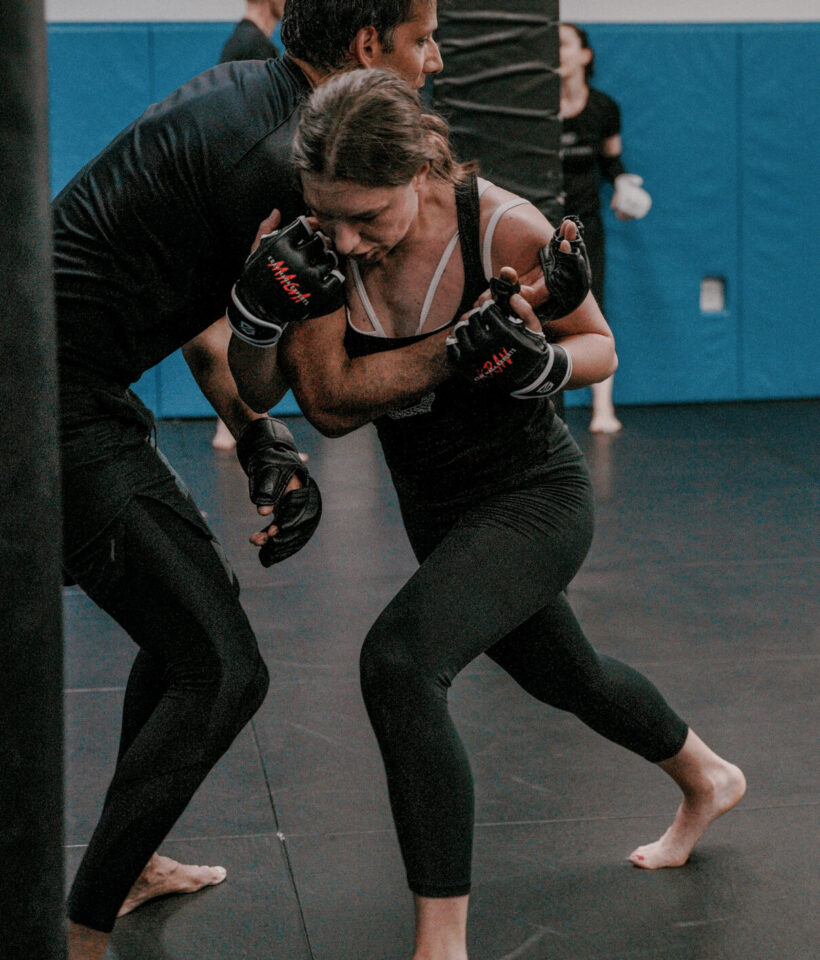
Women’s Self Defense (Dedicated program) – Built around the specific threats, physical realities, and training needs women face moving through this city.
Adult Self Defense (All levels welcome) – The core program. All skill levels. Structured progression from basic survival through counterattack and threat awareness.
Kids Self Defense (Ages 4-13) – Ages 4-13. Building confidence, awareness, and the ability to respond in an environment designed for how children learn.
Teens Self Defense (Ages 13-17) – Scenarios relevant to where teenagers actually are: school corridors, transit, social situations with unpredictable dynamics.
What you walk away with
Most people who have never trained have one response to a threat: they freeze. Training gives your brain a reference point. You practice scenarios until a response is ready.
A typical class runs an hour. Warmup, technique work with a partner, stress drills at high heart rate. Technique under stress is self defense. Technique under comfort means nothing.
The freeze response weakens. Reaction time gets shorter. Striking becomes reflexive.
Curriculum progression:
01 Survival – How to absorb a hit, create space, and get off the ground. Your first priority is staying in the situation.
02 Counterattack – Once stable, you learn to respond with decisive strikes that create an exit. Damage and distance.
03 Control – Position, timing, and reading what the attacker will do next. You begin to control the exchange.
04 – Reading situations before they escalate. The best self defense is the threat you walk away from.
Both locations run classes seven days a week, morning through evening. With 55+ classes per week, you pick the time that works.
Upper West Side
Manhattan Address
250 West 100th Street, New York, NY 10025
Subway: 1 · 2 · 3 · B · C
Phone: 212.400.4813
Nearby: Upper West Side, Morningside Heights, Hell’s Kitchen, Midtown
Hours: Mon-Sun, Morning, Midday, Evening
Park Slope
Brooklyn Address
69A 7th Avenue, Ground Floor, Brooklyn, NY 11217
Subway: F · G
Phone: 718.650.5115
Nearby: Park Slope, Gowanus, Prospect Heights, Carroll Gardens, Cobble Hill
Hours: Mon-Sun, Morning, Midday, Evening

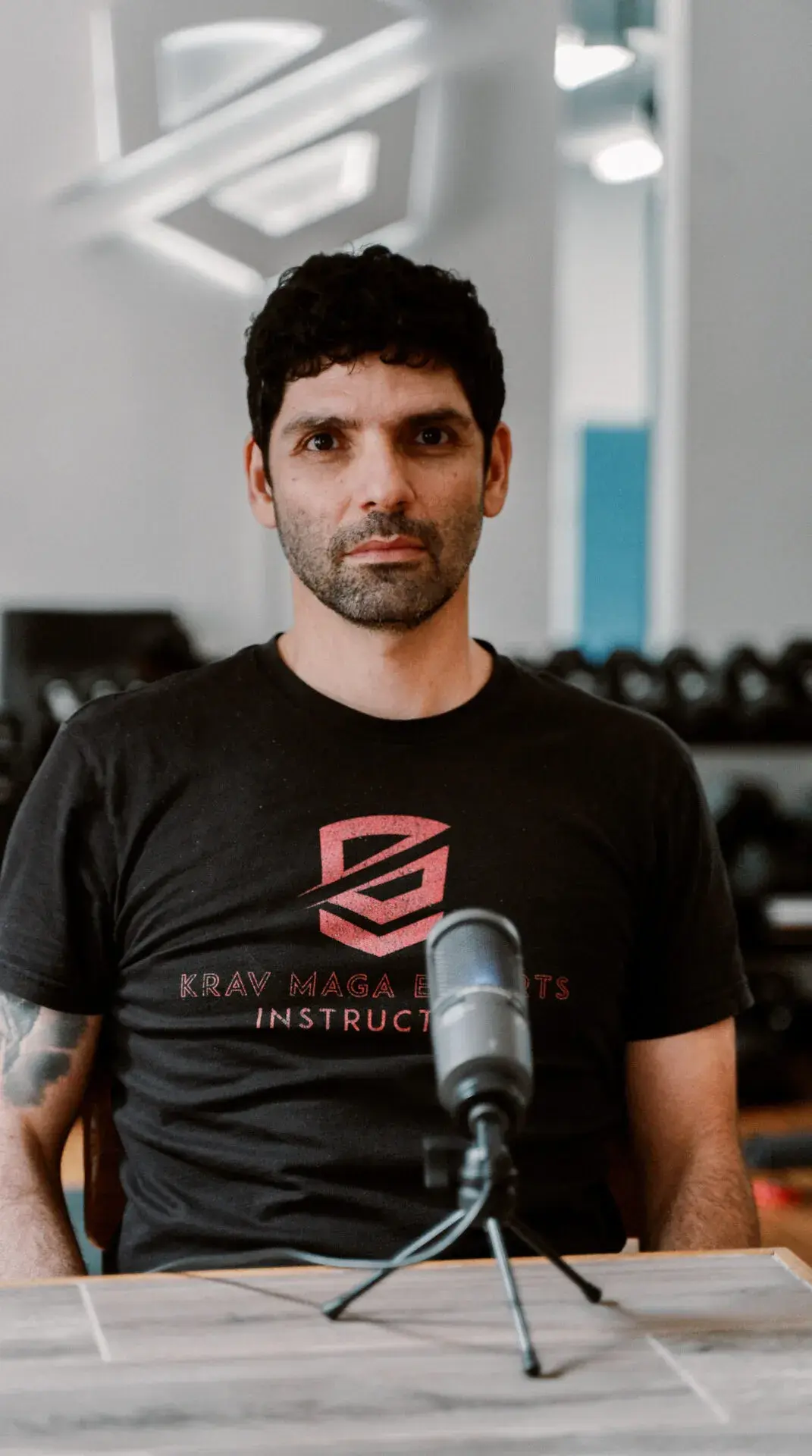
Tsahi Shemesh, Chief Instructor.
Trained civilians and soldiers in Israel. Built instructor certification programs. Taught self-defense to corporate security teams, universities, and community organizations across the U.S. That experience is in the curriculum, in how we structure drills, how we correct technique, and how we test whether students can actually perform under stress. PhDs and professors on our instructor team, IDF and US Army veteran instructors, Certified program, not a weekend course, Corporate and university training delivered
What people say
Amanda L.
KME Student
Is this safe for beginners with no experience?
Yes. Our beginner classes are designed from the ground up for people with no training background. Most students who train with us started with zero experience. The curriculum is structured so that every technique builds on the one before it.
How intense is self defense training?
Training is challenging, but controlled. You are never pushed beyond what you can handle at your current level. Intensity increases as your skills increase. In your first classes, focus is on learning movements correctly and understanding the format.
What happens in my first class?
Basic movement, awareness concepts, and simple techniques. You work with a partner under direct instructor guidance. You leave having learned something you can actually use. Nobody is thrown into advanced drills or sparring on day one.
How often should I train?
Most beginners start with two classes per week. That gives your body time to recover while building skills steadily. As you progress, many students increase to three or four sessions. With 55+ classes per week across two locations, you can always find a time that fits.
How much do classes cost?
We offer all-access memberships, class cards for a set number of sessions, and single-class pricing. No long-term contract required. Pricing details are available when you book your trial class.
Are classes good for seniors or older adults?
Yes. The curriculum adjusts to your physical ability, and instructors work with you individually on pace and intensity. Self defense for seniors focuses on awareness, positioning, and techniques that work regardless of strength or speed.
Start your training today
Your first class is a trial. Show up, train, and decide if this is right for you. No contract required to start.
Book Your First Class
Upper West Side, Manhattan 250 West 100th Street Trains: 1 · 2 · 3 · B · C 212.400.4813
Park Slope, Brooklyn 69A 7th Avenue, Ground Floor Trains: F · G 718.650.5115
Pricing: All-access memberships, class cards, single sessions. No long-term contract required to start.
The details
Join the program now
Unlock your full potential by joining one of our expertly designed programs. Whether you’re looking to learn a new skill, explore self-defense, or achieve personal growth, we offer a variety of Krav Maga classes tailored to your needs.